
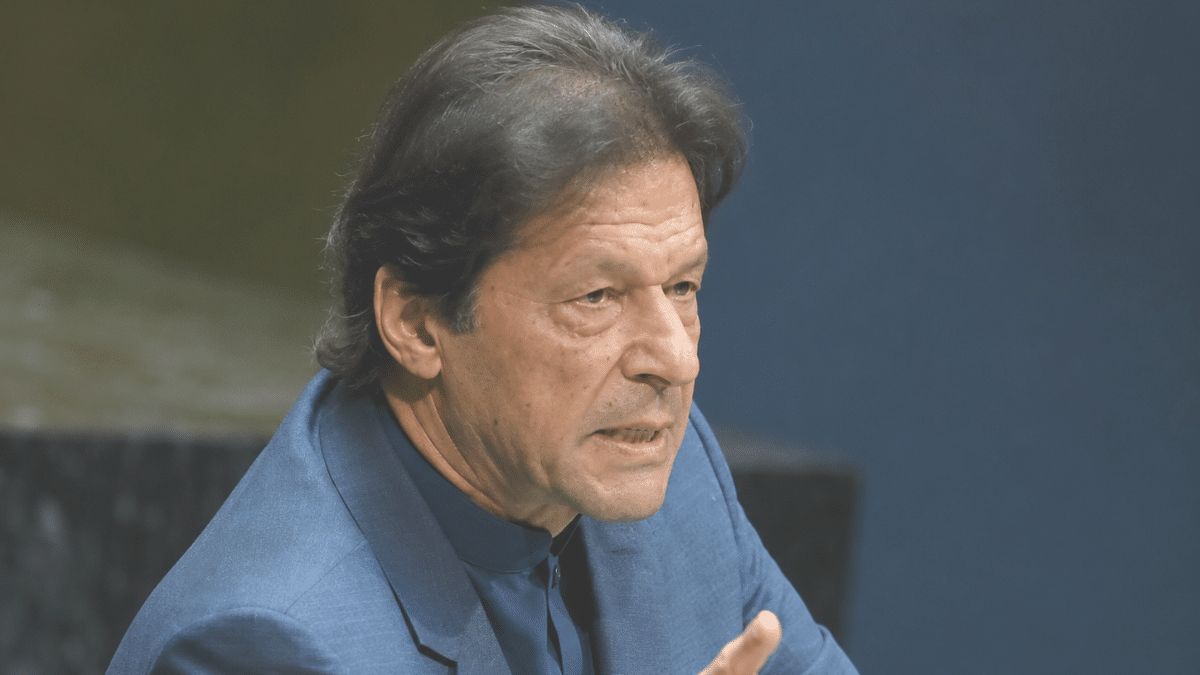
Twenty-two former international cricket captains wrote to Pakistan Prime Minister Shehbaz Sharif on August 23, demanding the government allow a full, independent medical assessment of jailed former PM Imran Khan. The letter, organized by Greg Chappell, came five days after Pakistan’s Supreme Court ordered Khan’s transfer to Shifa International Hospital in Islamabad. The government sent him to a different hospital instead, kept him for a few hours, and declared him medically fit.
“Whatever the legal and political arguments surrounding his case, the basic decency of ensuring a court-ordered medical process is actually completed is not, in our view, a controversial request.”
22 former cricket captains, letter to PM Shehbaz Sharif, August 23, 2026
The signatories include five World Cup-winning captains: Kapil Dev, Clive Lloyd, Allan Border, Steve Waugh, and Arjuna Ranatunga. Sunil Gavaskar, Adam Gilchrist, Alastair Cook, Nasser Hussain, Michael Atherton, Andrew Strauss, David Gower, Michael Brearley, Ian Chappell, Greg Chappell, Alex Blackwell, Belinda Clark, Michael Gatting, Kim Hughes, Lee Germon, Dilip Vengsarkar, and John Wright complete the list. They represent Australia, England, India, New Zealand, Sri Lanka, and the West Indies.
This is the second time these captains have intervened. In February 2026, 14 of them wrote to Sharif after Khan’s lawyer told the Supreme Court that the 73-year-old had lost 85 percent of his vision in his right eye. That letter demanded immediate access to specialists of Khan’s choosing, humane detention conditions, and transparent legal proceedings. Six months later, eight more captains joined, and the demands became sharper.
21 former Intl cricket captains, including Indians Sunil Gavaskar, Kapil Dev and Dilip Vengsarkar along with others such as Allan Border, Adam Gilchrist appeal to Pakistan PM Shehbaz Sharif for full court-ordered medical care for jailed fmr Pakistan PM Imran Khan. pic.twitter.com/eA8auBhPVs
— Sidhant Sibal (@sidhant) August 23, 2026
The second letter was triggered by specific events. On August 18, the Supreme Court ordered Khan’s transfer to Shifa International Hospital. The court directed that a medical board examine him, including his personal physician Dr. Faisal Sultan and his sister Dr. Uzma Khan. The court also reinstated weekly family visits and ordered Khan to remain hospitalized until the next hearing on September 16.
The government did not comply with the order as directed. Information Minister Attaullah Tarar said Khan was taken to the Pakistan Institute of Medical Sciences, a government hospital, instead of Shifa International. He cited a security situation created by PTI supporters gathering outside Shifa. Khan’s visit lasted only a few hours. He was examined by a state-appointed medical team, not the court-ordered board. The government declared him “100 percent medically fit” and returned him to Adiala Jail in Rawalpindi.
The captains’ letter addressed this directly.
“Pakistan’s Supreme Court ordered that Imran Khan be transferred to hospital for examination by a medical board that was to include his own personal physicians and his sister. Concerningly, Mr Khan’s hospital stay lasted only a few hours. He was examined by a state-appointed team rather than the board the court had directed.”
22 former cricket captains, letter to PM Shehbaz Sharif, August 23, 2026
The letter made three demands: allow the court-directed medical board, including Khan’s personal doctors, to conduct a full independent assessment of his health; ensure uninterrupted weekly family visits; and provide immediate treatment based on the medical findings.
The captains stated they had no intention of interfering in Pakistan’s legal processes. “We do not presume to adjudicate Pakistan’s domestic legal processes. That is not our place,” the letter read. Their position was narrow: a court order was issued, and it was not followed.
The Captains’ Code
Greg Chappell did not organize this letter as a political act. He did it because he played against Imran Khan, knew what he was made of, and could not sit still when a fellow captain was losing his eyesight in a prison cell.
The bond between international captains is not sentimental. It is forged in the specific pressure of leading a national team in Test cricket, where every decision is public and every failure is permanent. Captains from rival nations understand each other in ways their own teammates sometimes do not. They have stood at the toss together, negotiated declarations, walked off the field after brutal series, and carried the weight of national expectation that only another captain truly grasps.
When Chappell reached out to Gavaskar and Kapil Dev for the first letter, the response was immediate. “Sunil Gavaskar and Kapil Dev probably had more pressure than the rest of us, but they both reacted instantly,” Chappell said. The pressure he referred to is real. India-Pakistan cricket operates inside the most politically charged sporting relationship in the world. For two Indian legends to publicly advocate for a Pakistani former PM required something stronger than friendship. It required the kind of respect that only comes from having competed against someone at the highest level for years.
Gavaskar’s connection to Khan goes back decades. “I have known Imran since he was 17 years old, when India was playing at Worcester,” Gavaskar said. That is not a casual acquaintance. That is a relationship built across an entire career, across the fiercest rivalry in cricket, across political tensions that have cancelled tours and severed diplomatic ties.
The fact that 22 captains from six nations agreed to put their names on this letter is itself the story. These are not activists. They are not pundits chasing engagement. They are people who captained their countries and chose to use the only leverage they have: their collective standing in the game.
The Silence That Speaks
Not a single Pakistani cricketer signed either letter.
Wasim Akram and Waqar Younis posted supportive statements on social media, but both live in Australia. Shahid Afridi has been vocal on his own platforms. None of them put their name on the formal appeal.
Michael Atherton, speaking on a Sky Sports podcast, described the broader situation around Khan’s imprisonment as “the way the state has tried to airbrush Imran almost out of existence, which is increasingly difficult to do in a social media age.”
The absence of Pakistani signatures is not a mystery. It is a measure of the political climate inside Pakistan. The captains who signed from India, Australia, England, New Zealand, Sri Lanka, and the West Indies face no consequences for doing so. Pakistani cricketers who depend on the Pakistan Cricket Board, on commentary contracts, on coaching roles within the system, face a different calculation entirely.
Khan led Pakistan to their only Cricket World Cup title in 1992. He served as Prime Minister from 2018 to 2022. He has been imprisoned at Adiala Jail since 2023, serving consecutive sentences of 17 and 14 years in corruption cases he maintains are politically motivated. He is 73 years old.
The Pakistan government has not formally responded to the second letter. The Supreme Court hearing on Khan’s medical care is scheduled for September 16.
Also Read:
- Kapil Dev: Life After Cricket
- Clive Lloyd, Virat Kohli, and West Indies Legends
- Gavaskar Calls to Drop Average Fielders From India
- Gavaskar Sends Legal Notices Over Fake Squad
- India’s 1983 World Cup Heroes
- PCB Bans Asian Legends League in Zambia
- West Indies vs Pakistan Test Series 2026: Where to Watch
- Kapil Dev on Domestic Cricket and BCCI








One Response