Vaibhav Sooryavanshi was in India’s squad for the Ireland T20I series. Behind him were 776 IPL runs, an Orange Cap, and a strike rate of 237. India lost both matches. He did not play a single ball.
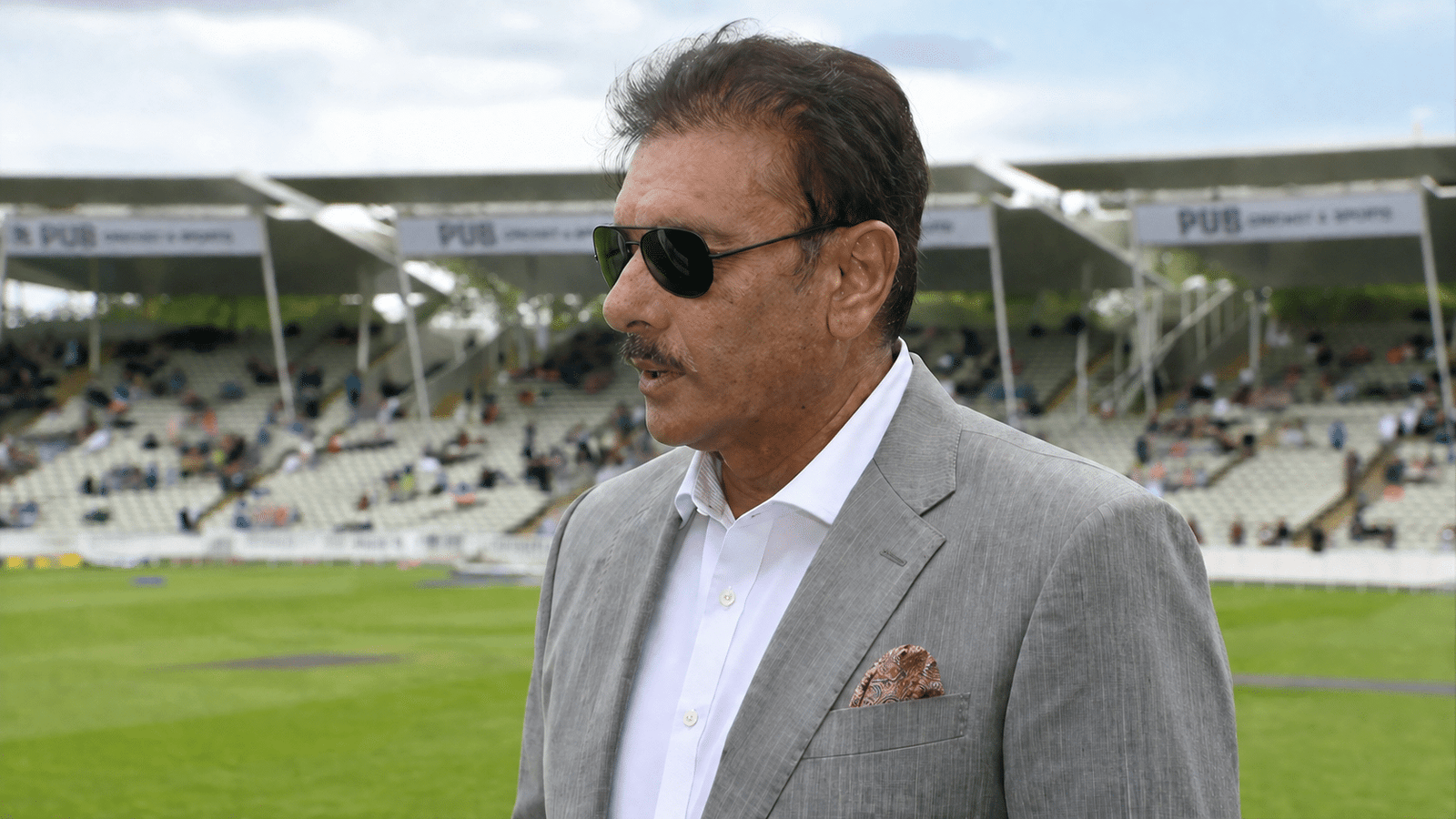
Ravi Shastri watched this from the commentary box and said what many people in Indian cricket were already thinking.
“He should have played against Ireland. It was such a slow and spongy track. He would have smacked them on the terrace, it was such a small ground. He would have taken their pants off. He should have definitely played there.”
Ravi Shastri, Sony Sports, July 1, 2026
That statement started a debate that has not stopped since.
At 15, Sooryavanshi is already the youngest player ever called up to India’s senior men’s team, breaking a record that had stood since Sachin Tendulkar. His IPL 2026 season with Rajasthan Royals was unlike anything the tournament had seen before. He scored 776 runs in 16 innings at a strike rate of 237. He won the Orange Cap, the MVP award, and the Best Emerging Player award in the same season, becoming the first player ever to claim all three.
He hit 72 sixes, clearing the record Chris Gayle had held since 2012. He scored a century in 36 balls. In the powerplay alone, he struck 521 runs across the tournament, the highest by any batter in that phase in a single IPL season.
Before the IPL, he had scored 175 off 80 balls in the Under-19 World Cup final against England. Then came 94 off 29 balls in the India A tri-series in Sri Lanka. By the time the Ireland squad was announced, the chief selector had run out of room to delay the decision.
“Vaibhav Sooryavanshi’s performance forced us to pick him.”
Ajit Agarkar, chief selector, press conference on squad announcement, 2026
The squad selection was not a debate. The playing XI was.
Belfast’s pitches for the two T20Is were slow and spongy. The ground dimensions were small. These were not conditions that reward pace or bounce. They favour timing, powerplay aggression, and the ability to hit straight. That is exactly how Sooryavanshi bats.
India opened with Sanju Samson and Abhishek Sharma. Samson scored 5 and 0. Abhishek made 49 in the first match and a golden duck in the second.
Captain Shreyas Iyer contributed 13 runs across both games combined. India did not hit a single six in the second T20I until the 18th over.
Iyer acknowledged the failure after the series.
“We fell a bit short with the bat. We fell a bit short in terms of analysing how the wicket is going to play.”
Shreyas Iyer, post-match press conference, Ireland vs India 2nd T20I, June 28, 2026
The regular opening pair failed. The conditions were suited to a power-hitter at the top. Sooryavanshi’s India debut did not come.
When England’s series began and Sooryavanshi was again left out of the playing XI for the first match, Shastri returned to the subject on air.
“He has smacked everyone in the IPL. Which fast bowler did he spare? And you’re making him warm the bench.”
Ravi Shastri, Sony Sports, July 1, 2026
Shastri’s credibility on this comes from where he has been. He coached India at the highest level for several years. He sat inside the rooms where these decisions are made.
When he says Ireland removed every standard argument against playing Sooryavanshi, that is not casual commentary. It is the judgment of someone who knows exactly what those arguments look like from the inside, and when they stop holding.
The India management has not made a public statement explaining why Sooryavanshi did not play against Ireland. What is known is that the team arranged a separate changing room for him on this tour, a detail that most coverage has passed over without comment.
Management does not set up a separate changing room for logistics. They do so when they recognise that a player’s situation is genuinely different and needs careful handling. They know what they have. The question left unanswered is why protecting the environment around him did not extend to giving him the field.
One possible reason is a preference for continuity with an established opening pair, especially in a two-match series where there is limited room to find rhythm. Another is the view that England, a five-match series with a far larger audience, offers a better platform for a debut than a short Ireland trip. Some management teams also choose a young player’s first cap based on what gives them the most settled possible start, rather than placing them in a series where the team is already under pressure to win.
None of this is confirmed by management. These are reasonable inferences from what is publicly known.
Insider Read:
That separate changing room is the most telling detail in this entire story.
In Indian domestic cricket, the dressing room has its own hierarchy. Senior players have established routines, unspoken ranks, and ways of occupying space that a 15-year-old can find difficult to move through before he even holds a bat. Management creating a separate space for Sooryavanshi is not overcaution. It shows they understand what they have, and they are trying not to damage it before it fully develops.
But there is a real difference between protecting a player’s environment and deciding whether he is ready to play. A separate room helps him before and after a match. The field is where protection ends.
And Shastri’s point is that Ireland’s conditions were as favourable a setting as international cricket will give a player of Sooryavanshi’s style. Slow pitch. Small ground. No technical argument against him. When those conditions align with a player’s strengths, you take the chance. They did not take it.
The harder question for management is this: what exactly are they preparing him for? If they are waiting for the right moment, that moment will keep shifting. Losing the Ireland series while the player they were protecting sat unused makes that plan harder to defend.
The instinct to protect and the decision not to play him pulled in opposite directions, and Ireland exposed that tension clearly.
The case for patience is real. A debut across five matches against England gives Sooryavanshi far more runway than two matches in Ireland. Consistent performances over a longer series build something more durable than a single outing. If management has England in mind as the right stage, that logic is not without merit.
But there is a risk on the other side. Sooryavanshi’s confidence right now is built on things he has actually done. The IPL season is recent. The performances are specific and remembered.
Every match he sits in an international squad without a cap, the narrative outside shifts from “when will he debut” to “why hasn’t he debuted yet.” That question is not fair given his age, but it creates pressure that has nothing to do with his ability. And pressure created by waiting is the one kind that management could have avoided entirely.
The Ireland decision will not define Sooryavanshi’s career. Players with his talent clear bigger obstacles than a delayed first cap. But how the system handles him from this point matters.
If his debut, when it comes, is backed by consistent selection and genuine trust, this waiting period will look like careful preparation in hindsight. If it is followed by more hesitation, it will look like the management was never fully sure of him, even when all the evidence pointed one way.
Shastri said what he said on live television not because it makes good television, but because the evidence was too clear to stay quiet about. A 15-year-old with a 237 strike rate, a small ground, a slow pitch, and a team that lost. The rest is a question the management still has to answer.
Update July 4, 2026
The debate has a result. Vaibhav Sooryavanshi made his India debut in the 2nd T20I against England at Old Trafford on Saturday. He became India’s youngest international cricketer at 15 years and 99 days, breaking Sachin Tendulkar’s 37-year record. He scored 14 off 10 balls with two sixes in the powerplay before being stumped in the fifth over.
The management’s answer to Shastri’s Ireland argument is now visible. They held him for England. Five matches, a full ground, and a stage they considered more appropriate than two games in Belfast. The logic they never stated publicly played out exactly as they would have planned it.
Whether the Ireland decision looks like good judgment or a missed opportunity in hindsight will depend on what follows across the remaining four matches. The management has delivered the debut. What Vaibhav does next is the only question left.
The debate has a result. Vaibhav Sooryavanshi made his India debut in the 2nd T20I against England at Old Trafford on Saturday becoming the youngest international cricketer India has ever fielded at 15 years and 99 days, breaking Sachin Tendulkar’s 37-year record.
Sources
- Ravi Shastri commentary, Sony Sports, England vs India 1st T20I, July 1, 2026 News9Live
- Ravi Shastri commentary, Sony Sports, July 2, 2026 SportsTak
- Ajit Agarkar squad announcement press conference, 2026 Rajasthan Royals
- Shreyas Iyer post-match press conference, Ireland vs India 2nd T20I, Belfast, June 28, 2026 ESPNcricinfo
- Ireland T20I debut talking points, June 2026 ESPNcricinfo
- No debut in England 1st T20I, July 1, 2026 Free Press Journal
- 2nd T20I scorecard, Old Trafford, July 4, 2026 ESPNcricinfo