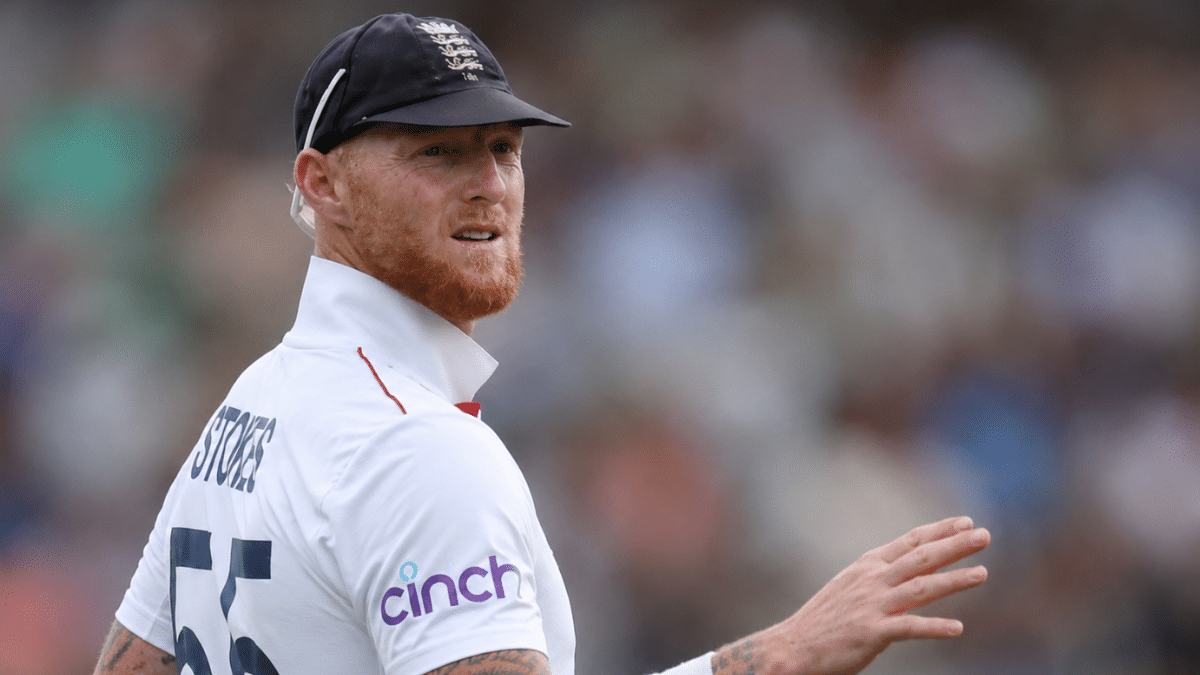
The ICC has written a formal letter to the ECB over the dressing room video released as part of Ben Stokes’ retirement announcement. The complaint is specific: the ECB filmed Stokes informing his teammates of his retirement inside the Trent Bridge dressing room and released that footage publicly while the third Test against New Zealand was still in progress.
We covered the retirement and what it means for England here. What followed it is a different story.
The ECB knew the announcement was coming. Stokes had told Joe Root and Harry Brook the evening before Day 4. The morning of June 28, they arranged for the moment to be filmed. Before play began, Stokes walked into the dressing room and spoke to his teammates.
“This is my last two days as your captain, my last two days representing England. Reasons can wait.”
Ben Stokes, Trent Bridge dressing room, June 28, 2026
The ECB released that footage at 3:25pm during the afternoon session, while Stokes was still on the field bowling and a full day of play remained. The video went out on England Cricket’s official channels while the match was live. England Cricket posted it on their verified X account on June 28. No public statement has been made by the ECB regarding the ICC’s complaint at time of publication.
One of England’s all-time greatest captains, Ben Stokes, has decided to retire from international cricket at the end of this Test match.
Ben, you have been the most inspirational captain, leader and legend this team could have ever hoped for.
We love you so much and wish you… pic.twitter.com/U5grq0F0kj
— England Cricket (@englandcricket) June 28, 2026
The ICC did not view the video the way the public did. Article 2.2.11 of the ICC Minimum Standards for Players’ and Match Officials’ Areas states:
“Ensure that there are no fixed or temporary video cameras or other recording equipment set up within any dressing room used by the teams for the purposes of broadcasting video or audio footage.”
Article 2.2.11, ICC PMOA Minimum Standards
The PMOA framework is not administrative paperwork. It sits inside the ICC’s anti-corruption structure and exists for one reason: to protect the integrity of a live match by keeping the dressing room sealed from the outside world while the game is being played. The ECB arranged for a camera to be set up inside the dressing room during an active Test and released the footage before that Test had concluded. According to Inside Sport India, the ICC has written to the ECB to say this constituted a breach of Article 2.2.11.
The ECB had not responded to that letter at time of publication.
Insider Read:
Every cricketer who has played at a serious level knows that a dressing room during a live match behaves differently from anywhere else in cricket. A captain can say half a sentence and the team knows exactly what it means. A coach can be completely direct. A player who is struggling can say so without performing for anyone outside.
A camera changes all of that. Not because people plan to behave differently. It changes because the awareness of being filmed sits in the back of the room whether people acknowledge it or not. Things get said more carefully. Things that would have been said out loud get left unsaid. The rawness that makes a dressing room genuinely useful during a live match gets softened, and sometimes that softening is just enough to matter.
The ECB made an emotional call. Stokes was walking away after fifteen years, having come back from the Rex Rooms fallout to lead England one final time. It is worth noting he was not quoted anywhere in the ECB’s official retirement statement, a detail that said something about the relationship between player and board in those final weeks. Capturing that dressing room moment felt like the right tribute, and for everyone watching from outside, it was.
But any professional who has been inside a live-match dressing room would have known that filming there during an active Test and releasing the footage while play was still to come sits outside the rules. The PMOA does not carry an exception for tribute videos. It cannot, because once exceptions like that exist, the protection the framework provides begins to break down. The ICC cannot apply its rules in every situation except when the reason for filming is a good one. That is not how anti-corruption frameworks are built, and it is not how they stay credible.
The ECB filmed that video with no improper purpose. They filmed it because they wanted to honor someone who had given them everything. That intent is not in question. But the ICC’s job is not to weigh the sentiment behind a breach. It is to maintain the framework that keeps dressing rooms protected during live international cricket.
PMOA violations typically result in financial penalties. A fine, if the ICC pursues one, would not be the largest sanction in cricket’s recent history. But the principle matters more than the number. This comes just weeks after the ICC docked England 12 WTC points and imposed a 50% match fee fine for slow over-rate during the second Test at The Oval, making it the second formal compliance matter between the two bodies within the same series. The ECB is simultaneously managing the open captaincy question that Stokes’ departure has created.
No formal hearing has been announced. The ICC has made no public statement. The ECB has not responded to the letter. That position had not changed at time of publication.
Sources
- ICC complaint, July 8, 2026 Inside Sport India
- ECB retirement announcement, Trent Bridge, June 28, 2026 ECB
- ICC PMOA Minimum Standards, Article 2.2.11 ICC