Every tournament has rules nobody reads until something goes wrong. The Women’s T20 World Cup 2026 had one of those rules built right into its semi-final structure: if India qualified, they would play the first semi-final on June 30, no matter where they finished in their group.
India never got to use that rule. They lost to Australia at Lord’s and went out of the tournament before the semi-finals even began.
Two England voices had already raised the question before that happened.
“Can we talk about the fact that, if India qualify for the semifinals, they’re guaranteed to play in the Tuesday semifinal because the ICC believes that’s the best slot for them from a broadcasting and time-zone perspective? Everything is planned around when India will play. It’s absolutely ridiculous. I don’t understand how a governing body can go into a tournament and prioritize one team like that. I know exactly why they’re doing it because India generates the most viewership and revenue but I still think it’s unfair.”
Kate Cross, No Balls: The Cricket Podcast, June 28, 2026
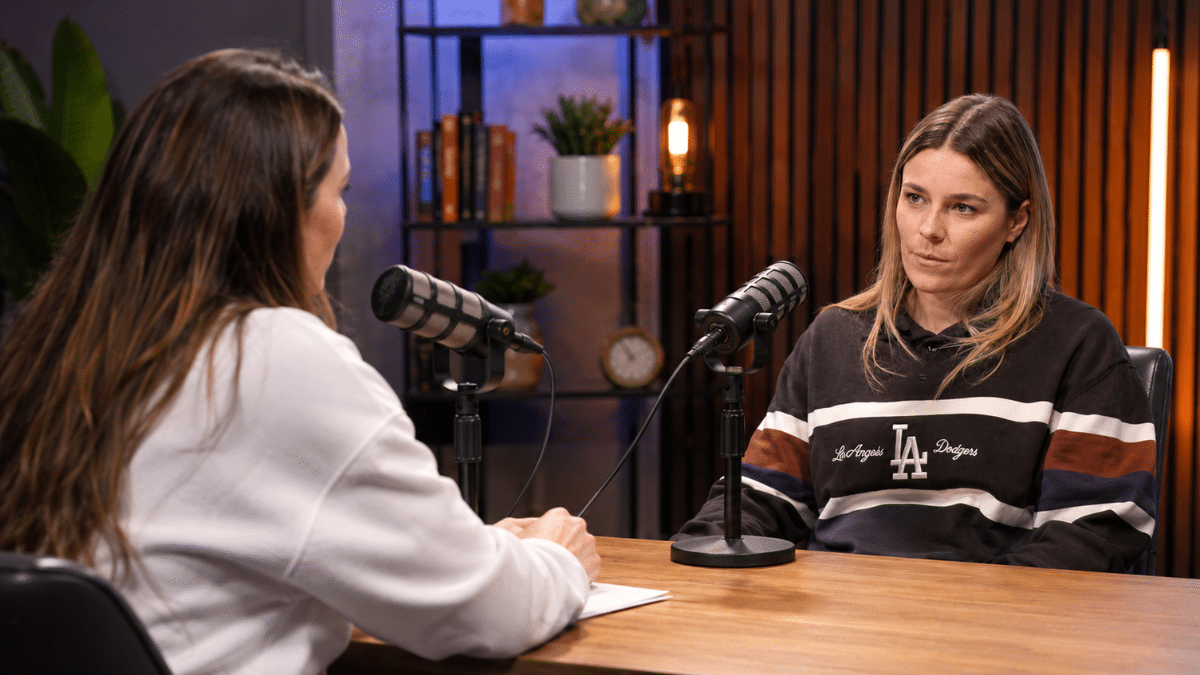
Cross is a current England seamer. Alex Hartley, who co-hosts the podcast with her, is a former England spinner and a 2017 World Cup winner who now works in broadcasting. Their comments came two days before India’s must-win game against Australia, with the contested rule still hanging over the tournament.
The rule itself, listed as playing condition 16.10.2, was straightforward on paper. Normally the team that tops Group A plays the runner up from Group B in the first semi-final. But if India made the last four, they would play first regardless of where they finished, in a slot timed to land at prime time in India.
This kind of decision rarely gets explained to players directly. You find out about it the way everyone else does, through a fixture list, and you are left to read between the lines yourself.
Insider Read:
I have never played in a World Cup where the schedule was bent for one team. But I have played enough domestic cricket to know how it feels when you sense the structure of a tournament was not built with you in mind. You start noticing small things. Which days you travel on. Which slots you get. Whether anyone explains why.
Players talk about this constantly inside a dressing room. It is one of the most common conversations in domestic and franchise cricket, who got the better hotel, who got the better slot, who got told first. It almost never reaches a microphone, because most players are still inside the system that controls their next contract, their next selection, their next tour.
That is what makes Cross and Hartley’s comments different. Cross is still playing for England, but currently out of the XI. Hartley has already made the move into broadcasting. Between the two of them, they had just enough distance from the day to day of team selection to say something most players keep to themselves. That is not a small thing. It is usually the only way these conversations leave the dressing room at all.
What followed showed exactly why players stay quiet. Hartley and Cross say the reaction online turned hostile fast.
“We’ve been getting death threats and abuse online.”
Alex Hartley, No Balls: The Cricket Podcast, late June 2026
View this post on Instagram
It is important to be precise about what this means. Hartley used that exact phrase, “death threats,” on the podcast, and Cross described waking up to 450 comments on a single Instagram post, compared to the usual 30. Neither player gave further detail about the platform, the exact wording, or whether any formal report was filed. This is their own account of what they received, not something independently confirmed beyond that. It is reported here as their stated experience, clearly attributed to them.
This is the part that should worry anyone who cares about players speaking honestly about the game. The substance of what Cross and Hartley said was a structural critique of a governing body’s commercial priorities. It was not a personal attack on the Indian team. Yet the response, by their own account, escalated into threats against them personally.
🚨 SHOCKING 😲 STATEMENT BY KATE CROSS AND ALEX HARTLEY SLAMS ICC FOR FAVORITISM TOWARDS BCCI 🚨
”Can we talk about the fact that I’ve seen today that if India qualify for the semis, they’re guaranteed to play on the Tuesday semi-final, because the ICC think that that’s the… pic.twitter.com/SUt5NDofK9
— Cricket Central (@CricketCentrl) June 28, 2026
Hartley later said she reached out to the ICC directly for clarification. The governing body told her the scheduling decision “has nothing to do with India” and was designed to optimise viewership in the UK as well as globally. Both players then used a follow-up podcast episode to stress that their original comments were about tournament principle, not an attack on India as a cricket team.
By the time that clarification came, the entire question had already become academic. India finished third in Group A. Australia played West Indies in the actual first semi-final on June 30. England met South Africa in the second.
This is not the first time this exact complaint has surfaced. At the 2024 T20 World Cup, former England captain Michael Vaughan made a near identical argument, pointing out that India’s matches were scheduled for morning slots to suit Indian broadcast audiences, and that India was guaranteed a particular semi-final venue regardless of how they finished their group. Former captain Nasser Hussain admitted there was a real perception that the tournament had been shaped around India. Sourav Ganguly pushed back at the time, asking how a broadcast slot could possibly help a team win matches in the middle.
Two years on, the same question came up again, in a different tournament, with different players, and the same answer from cricket’s governing body. Whether or not the scheduling itself is defensible on commercial grounds, what is clear is that raising the question publicly still carries a real personal cost for the players who do it. That has not changed since 2024, and on this evidence, it has not gotten any easier.
What happens next
The ICC has not announced any changes to how semi-final scheduling will be handled for future tournaments. Cross and Hartley have both indicated, in their own words, that they consider the matter resolved on their end after the ICC’s clarification. Neither the BCCI nor any other team has issued a public statement on the scheduling rule itself.
Sources
-
- England cricketers allege ICC unfairly favours Indian teams after unusual Women’s World Cup 2026 semi-final schedule, Yahoo Sports, June 30, 2026
- Alex Hartley, Kate Cross question ICC’s India scheduling for semis, Cricketaddictor
- ‘We’ve been getting death threats’: Kate Cross and Alex Hartley reveal shocking abuse after questioning ICC Women’s T20 World Cup schedule, WION
- Women’s T20 World Cup 2026: Kate Cross Clarifies ICC Bias Storm, Says ‘Nothing To Do With India, Asianet Newsable
- India accused of gaining ICC ‘favouritism’ in T20 World Cup scheduling, The Express Tribune, July 2024
- Australia, South Africa win crunch games to soar into semis, ICC, June 28, 2026