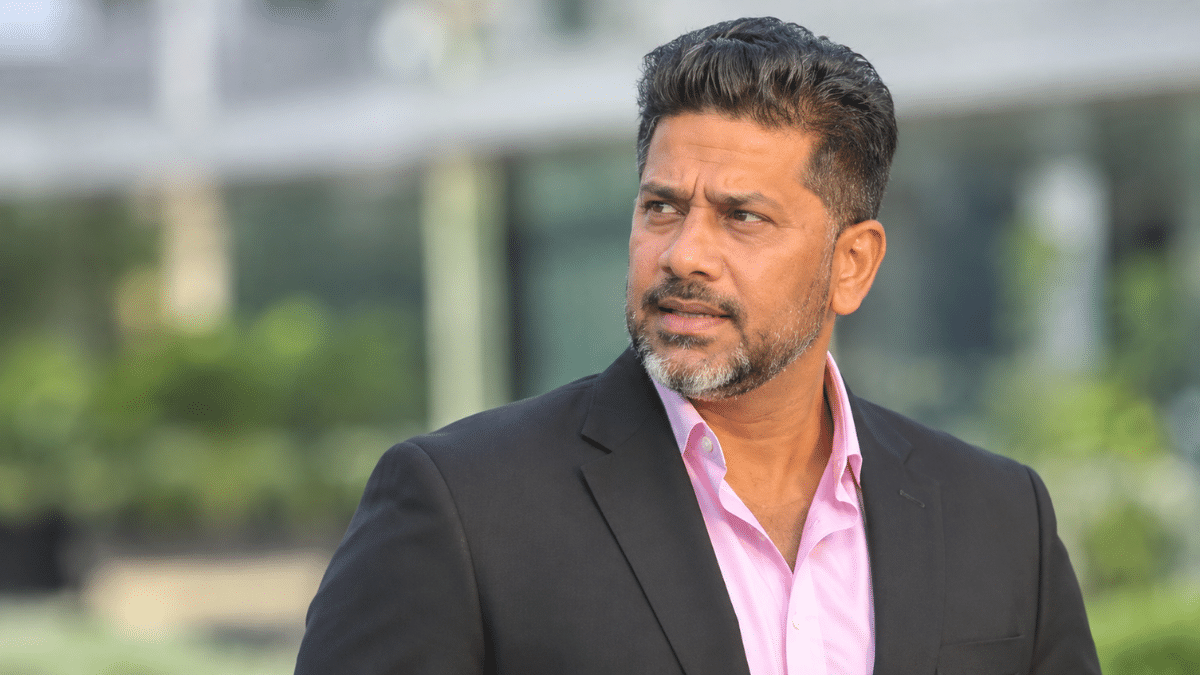
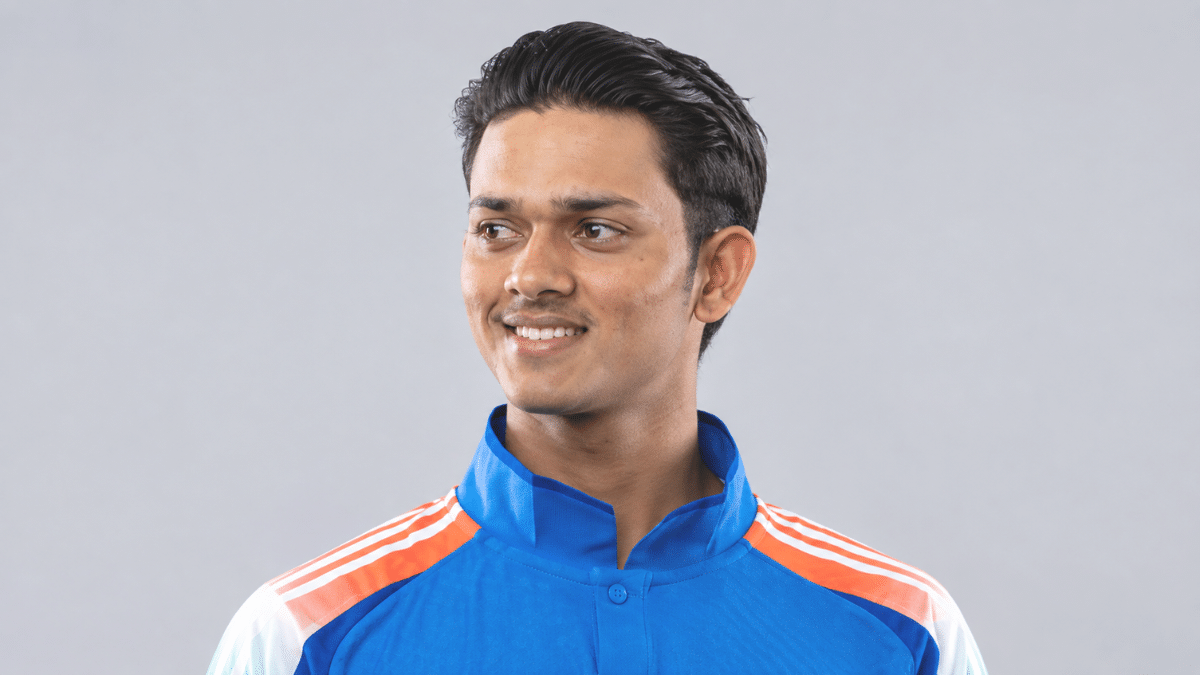
A viral quote from Jwala Singh, Yashasvi Jaiswal’s childhood coach, has surfaced across social media. The words are blunt: “I raised him like a son in my home for 12 years, supported him from Mumbai U-16 to India U-19 and IPL. He changed the moment he became a star. Today he doesn’t even talk to me.”
In a separate interview, Singh confirmed the distance. “I don’t speak to him anymore,” he said. “He takes advice from the Indian team’s coaching staff.”
The claim carries weight because of who is making it. Jwala Singh is not a distant acquaintance looking for attention. He is the reason Yashasvi Jaiswal plays cricket for India.
Singh was born in Gorakhpur and moved to Mumbai alone at 12, in 1994, to pursue cricket. He trained under Ramakant Achrekar, the same coach who shaped Sachin Tendulkar. Injuries ended Singh’s playing career before it started. He turned to coaching to survive.
On September 16, 2009, Singh’s father died of cancer. That day, Singh made a promise: “I couldn’t play for the national team but I will make an India player.”
Four years later, he found one.
In December 2013, Singh spotted a 10-year-old boy at Azad Maidan in Mumbai. The boy was living in a tent. He carried newspaper clippings of his own cricket performances. Singh invited him for a nets session.
“I was eagerly waiting for him that day, I don’t know why.”
Jwala Singh, on meeting Jaiswal for the first time
The boy batted well while others around him made excuses about pitch conditions. That boy was Yashasvi Jaiswal.
Singh took Jaiswal into his home. For the next 12 years, he raised him, fed him, coached him, and guided his career from age-group cricket to the IPL.
“He stayed with me as my son. During those 12 years, neither his family came in between us, nor did I ever leave his side.”
Jwala Singh, MyKhel exclusive
Jaiswal did dirty to him💔
– Jwala Singh ji deserved better https://t.co/oP2mFOCP1Y pic.twitter.com/KYzkyE7l3o— Vishwas_Bajwa (@Singh_King___) September 18, 2026
Singh’s coaching philosophy was direct. “To play for Mumbai, a fifty or a century won’t work, only a double hundred or a big century will catch the eye.” He taught Jaiswal to think in terms of one tournament, one game, one ball at a time. He kept him away from social media and distractions. “I told him that you have to perform in that way where mainstream media will come.”
Singh has also been vocal about the panipuri seller narrative that followed Jaiswal into the public eye. “Sometimes I feel disappointed because people say he and his father was a panipuri seller,” Singh said. He clarified that Jaiswal’s father owns a paint shop and sent money monthly. While Jaiswal did briefly assist street vendors before Singh found him, “all of these things stopped once I started his cricket training.” During the years under Singh’s roof, “there was nothing called poverty in his life.”
The results speak clearly. Jaiswal now has 2,511 Test runs at an average of 49.23 with seven centuries, including a highest score of 214 not out against England. He holds the record for the most sixes in a single Test innings. On the field, Jaiswal plays with an intensity that reflects the hunger Singh instilled. In the IPL, he has scored over 2,500 runs for the Rajasthan Royals, including the league’s fastest fifty.
In January 2022, Jaiswal moved out of Singh’s home. The relationship has not been the same since.
“When a child grows up, there comes an age when he wants to live life on his own terms. It’s his choice who he wants to take advice from and who he doesn’t.”
Jwala Singh, SportsTiger interview
This is not professional at all After getting selected for Team India 💔
Jaiswal should show some gratitude toward the person who helped him reach this level
Source of post – Gujjurocks Instagram pic.twitter.com/tLvcReSnt5
— Dev D (@DevDave_7) September 18, 2026
Insider Read
What happened between Jwala Singh and Yashasvi Jaiswal is painful. It is also not unusual.
The coach who builds a player from nothing is almost never the coach who stays with them at the top. National cricket setups absorb players entirely. They provide video analysis, workload management, match strategy. The original coach, the one who provided belief and shelter and identity, becomes someone the system has no formal place for.
It happened to Singh’s own guru. Ramakant Achrekar shaped Sachin Tendulkar from childhood. By the time Tendulkar dominated world cricket, Achrekar watched from the outside. The two reconciled publicly years later, but the years of distance were real.
Grassroots coaches in Indian cricket have no contract, no equity in a player’s success. When the player moves on, the coach has nothing except the knowledge that the player exists because of him. Singh fulfilled the promise he made the day his father died. He made an India player. The cost was losing him.
“He is playing because of his hard work, talent, destiny and god’s grace.”
Jwala Singh
That one sentence holds everything: the pride, the hurt, and the quiet decision to let go.
Also Read:
Yashasvi Jaiswal Run Out in Galle After Collision With Bowler
Ashwin on Kohli, Rohit, and the Coach Question at Mumbai Indians