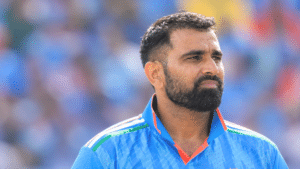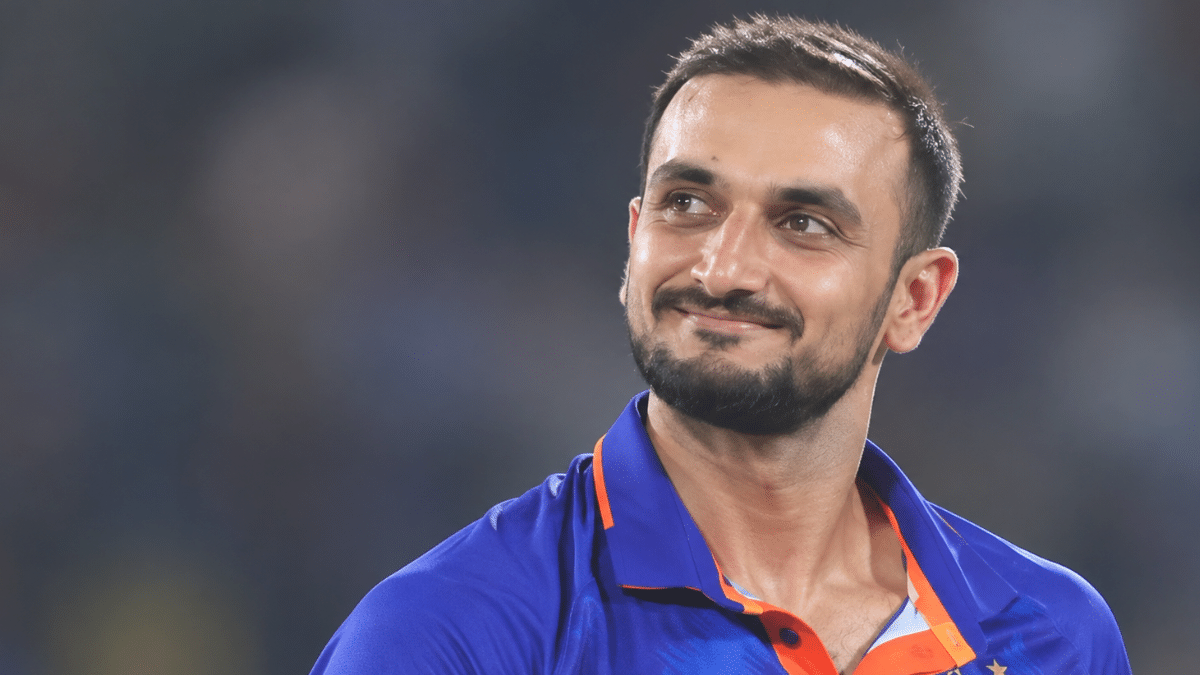

Former India all-rounder Madan Lal has said the selectors made a mistake when Virat Kohli stepped down as India’s Test captain in January 2022, and that a communication gap between Kohli and the board ended the tenure of the most successful Test captain in Indian cricket history before it needed to.
Speaking on the YouTube channel Kadak, Lal said he was disappointed at how the captaincy ended and that Kohli had two to three more years left in the role.
“I do feel a little disappointed about Virat, as there was still a lot of Test cricket left in him. Virat gave Indian cricket a new direction. He brought aggression and showed the team how to win. But I don’t know what happened with Virat. I don’t know who the selector was at the time, but I think they made a mistake. He should have been allowed to continue as captain. That’s my personal opinion. I believe there was some communication gap between them because, in my view, Virat could have continued as captain for another two or three years.”
Madan Lal, YouTube channel Kadak
View this post on Instagram
Lal made these remarks during an interview on the YouTube channel Kadak. No official BCCI response has been made at time of publication.
Lal is not commenting from a distance. A 1983 World Cup winner, he took three wickets in the final at Lord’s, including the dismissal of Viv Richards off which Kapil Dev took his famous running catch. After his playing career he served as India’s head coach in 1996, was a member of India’s national selection committee in 2000, and served as head of the BCCI’s Cricket Advisory Committee. When he speaks about what the relationship between a captain and a selector should look like, he is describing a process he has been part of from the inside.
The man at the centre of his disappointment left behind the strongest Test captaincy record India has ever produced. Kohli led India in 68 Tests, winning 40, with a win percentage of 58.82. No Indian captain in history has a higher mark. He never lost a home Test series. He took India to the top of the ICC Test rankings and held them there for five straight years. He led India to their first ever Test series win in Australia in 2018-19. The scale of what that captaincy built has drawn recognition from across the game, including Nasser Hussain’s reflection on what Kohli’s Test era meant.
From T20 Resignation to Test Exit
The captaincy did not end in one decision. It came apart across four months.
In September 2021, Kohli announced he would step down as India’s T20I captain after the T20 World Cup. He said he intended to continue leading in Tests and ODIs.
In December 2021, the BCCI removed him from the ODI captaincy and named Rohit Sharma as white-ball leader in both formats. Kohli learned of this 90 minutes before the selection meeting for the South Africa Test squad. There had been no conversation with him before that call.
“There was no prior communication to me at all.”
Virat Kohli, press conference, December 2021
The BCCI president said he had personally asked Kohli not to step down from the T20I role. Kohli’s account directly contradicted that. The chief selector then backed the BCCI’s version in public. A disagreement that had lived inside meeting rooms was now being played out in press conferences.
In January 2022, India lost the Test series in South Africa 2-1. The day after the Cape Town defeat, Kohli stepped down as Test captain with immediate effect.
Insider Read:
When Madan Lal uses the phrase “communication gap,” he is not reaching for a polite way to describe something vague. He has been inside a selection room. He knows what it looks like when the process works: a selector makes a call before a decision is announced, the captain is part of the conversation, there is no ambush. He knows what it looks like when that does not happen. His two words carry the weight of someone who has been on both sides of that conversation.
What gets lost in the administration story is the physical evidence. Kohli at the time of his captaincy exit was not a captain in physical decline. His running between the wickets was precise and purposeful, converting tight singles into comfortable twos, pushing lengths that other batters concede. His consistency as a batter was not gone. When you watch how a player moves between the wickets, you know exactly where their body is. That body was showing years of cricket still ahead. You do not lose a captain at that level of fitness to form or age. You lose him to the failure of a process. That is exactly what Madan Lal, with his background, is pointing at.
Forty wins. Five years at number one. A generation of players reshaped in his image of fitness and competitiveness. The record stands on its own. Lal is simply the most credible voice to call the ending of it a mistake, because he has sat in the room where that kind of mistake is made.
Also Read: