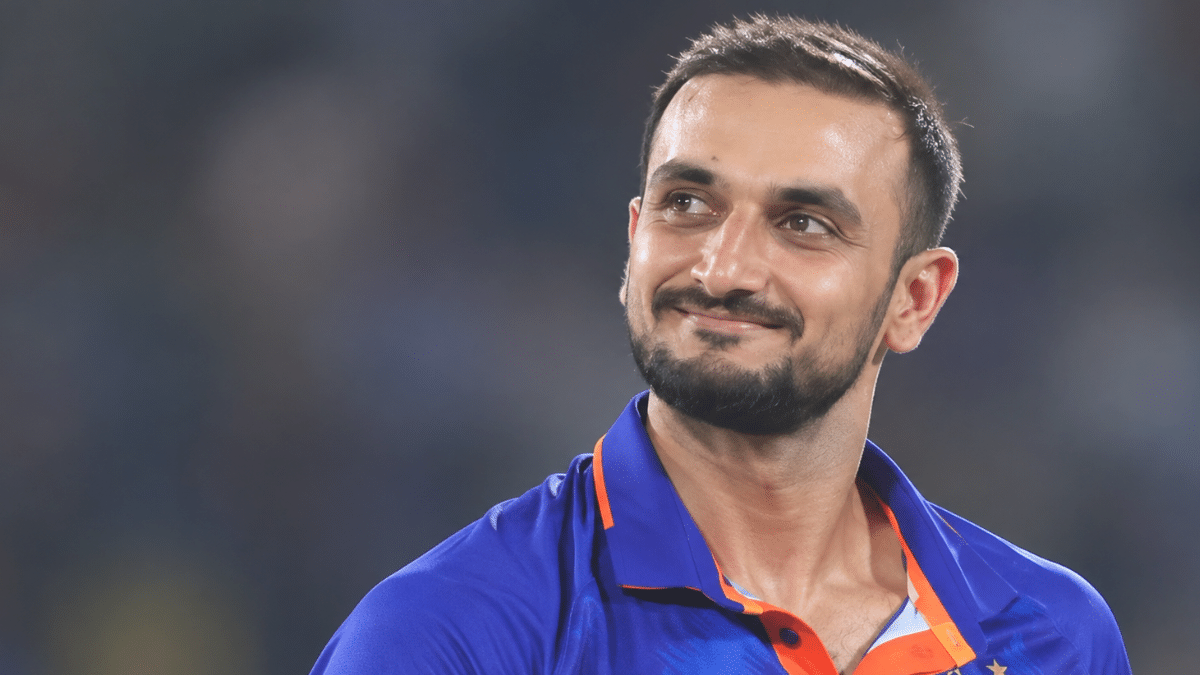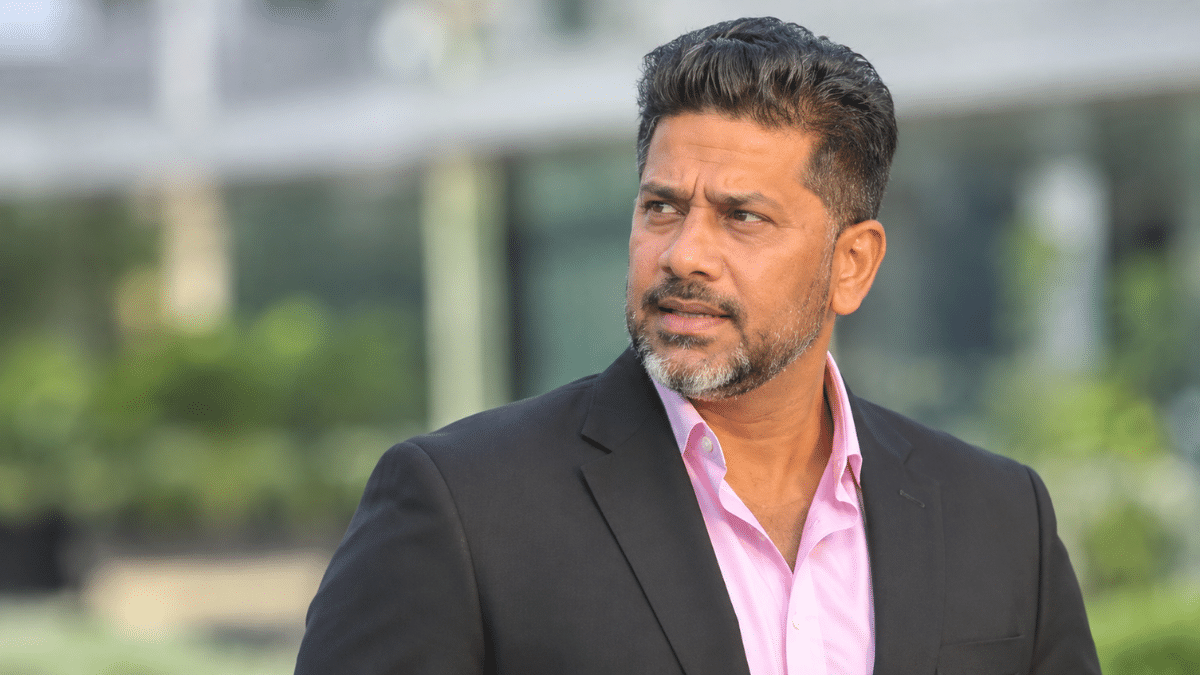
The BCCI has confirmed that assistant coach Ryan ten Doeschate and fielding coach T Dilip will not continue with India’s men’s cricket team. Their contracts expired in June, and the board has chosen not to extend them.
BCCI secretary Devajit Saikia addressed the matter on Tuesday, July 28, stating that ten Doeschate’s two-year deal ended on June 10 and Dilip’s one-year extension ended on June 8. The board allowed both to continue through the conclusion of India’s white-ball tour of the United Kingdom, which wrapped up on July 19 after India lost the T20I series 0-4 and the ODI series 1-2 to England.
“The BCCI continued with the duo till the end of India’s tour of United Kingdom. However, the BCCI is not giving them any extension. There is no question of accepting resignation as the contract has ended.”
Devajit Saikia, BCCI Secretary, via PTI, July 28, 2026
View this post on Instagram
Saikia’s phrasing was pointed. Reports had circulated for two weeks that ten Doeschate resigned during the England tour. The BCCI’s official stance is that no resignation was accepted because the contract had already run its course. There was nothing to resign from.
Ryan ten Doeschate joined the India setup in July 2024, handpicked by Gautam Gambhir after both had worked together at KKR during the franchise’s IPL 2024 title run. But according to a senior BCCI source speaking to PTI, ten Doeschate was originally promised the specialist fielding coach role. That promise was never fulfilled. After the 2025 Champions Trophy, T Dilip received a one-year extension on the recommendation of a senior player, widely reported to be Rohit Sharma. With Sitanshu Kotak handling batting, Morne Morkel overseeing the pace unit, and Sairaj Bahutule managing the spinners, ten Doeschate had no defined coaching domain within Gambhir’s staff.
The PTI source described the situation plainly: ten Doeschate was regarded as a quality coach who was simply not being utilized because every coaching role was already filled.
The Times of India reported separately that the BCCI had offered ten Doeschate an extension until 2027, but he declined, citing personal reasons. His young family is based in London, and the travel demands of coaching an international team made continuing unsustainable. He is now expected to rejoin KKR in a coaching role ahead of IPL 2027, returning to the franchise where he won two titles as a player in 2012 and 2014 and served as fielding coach from 2022 to 2024.
T Dilip’s exit carries a different context. He was the only member of Rahul Dravid’s support staff to survive the 2024 coaching transition. Initially retained on Rohit Sharma’s backing, Dilip had served as India’s fielding coach since 2021, replacing R Sridhar. His sessions were praised for being innovative and player-friendly, and the fielding medal he introduced built strong bonds within the dressing room.
But India’s fielding standards declined on the recent tours of Ireland and England. Dropped regulation catches became a recurring issue. His contract was a temporary one-year extension from the start, and the BCCI chose not to offer another. Abhishek Nayar, strength and conditioning coach Soham Desai, and masseur Arun Kanade had already been removed from Gambhir’s staff after India’s Test struggles during the coaching review earlier in 2025.
Subhadeep Ghosh Emerges as BCCI’s Pick to Replace T Dilip
Saikia confirmed that replacements are being finalized.
“We are currently in talks with two to three names and expect to finalise the details within a day or two. India will have a new fielding coach for tour of Sri Lanka.”
Devajit Saikia, BCCI Secretary, via PTI, July 28, 2026
Multiple reports, including from The Times of India, indicate that Subhadeep Ghosh will fill the vacancy. Ghosh, a 56-year-old former Assam and Railways cricketer, has spent over six years within the BCCI’s Centre of Excellence under VVS Laxman. He has served as fielding coach for India A, India Under-19, and the Indian women’s team. He was part of the coaching staff during India’s recent T20I series in Zimbabwe, which served as an effective audition for the senior role.
India’s coaching structure under Gambhir now has Kotak, Morkel, and Bahutule. Whether the BCCI appoints a direct replacement for ten Doeschate’s assistant coach position remains unclear. Saikia’s statement referenced only the fielding coach vacancy.
Ryan ten Doeschate’s tenure included the 2025 Champions Trophy, the 2025 Asia Cup, and a successful T20 World Cup defence in 2026. The Test results told a different story: India lost the Border-Gavaskar Trophy in Australia and were blanked at home by New Zealand (0-3) and South Africa (0-2).
India’s next assignment is a two-match Test series in Sri Lanka starting in August. The coaching staff that boards the flight will look significantly different from the one that began the England tour. With these departures and the earlier exits of Nayar and Desai, almost every member of Gambhir’s original backroom team from 2024 has now been replaced. Only Morne Morkel remains from that first group. How the BCCI rebuilds around Ryan ten Doeschate and T Dilip’s absences will shape India’s direction through the 2027 ODI World Cup cycle, and whether the board’s decisions reflect a deeper power shift in Indian cricket’s decision-making will only become clearer with time.
Insider Read: The Most Overworked, Least Credited Role in Any Coaching Staff
Fielding coaches run sessions before the main practice begins. They stay on the field during practice. They are the first ones out for warm-ups on match day and the last ones packing up catching cradles after the session ends. No other member of the coaching staff logs that kind of physical time on the ground.
Yet when a sharp catch sticks at second slip, the fielder takes the credit. When it drops, the first name that surfaces in post-match criticism is the fielding coach. A batting coach is never publicly blamed when a batter edges one to the cordon. A bowling coach is never questioned when a pacer bowls a half-volley. But a fielding coach carries every dropped catch personally.
T Dilip’s exit follows this pattern exactly. India’s dropped catches on the England tour became the most visible evidence of a struggling setup, and the fielding coach absorbed that scrutiny more than anyone else. The batting collapses, the bowling plans, the tactical decisions: all of those involve multiple people. Fielding failures land on one desk.
This is the reality of the job across professional cricket, not just in India. The fielding coach is the most replaceable member of any support staff because his work is the most measurable and the least forgiving.
Also Read: