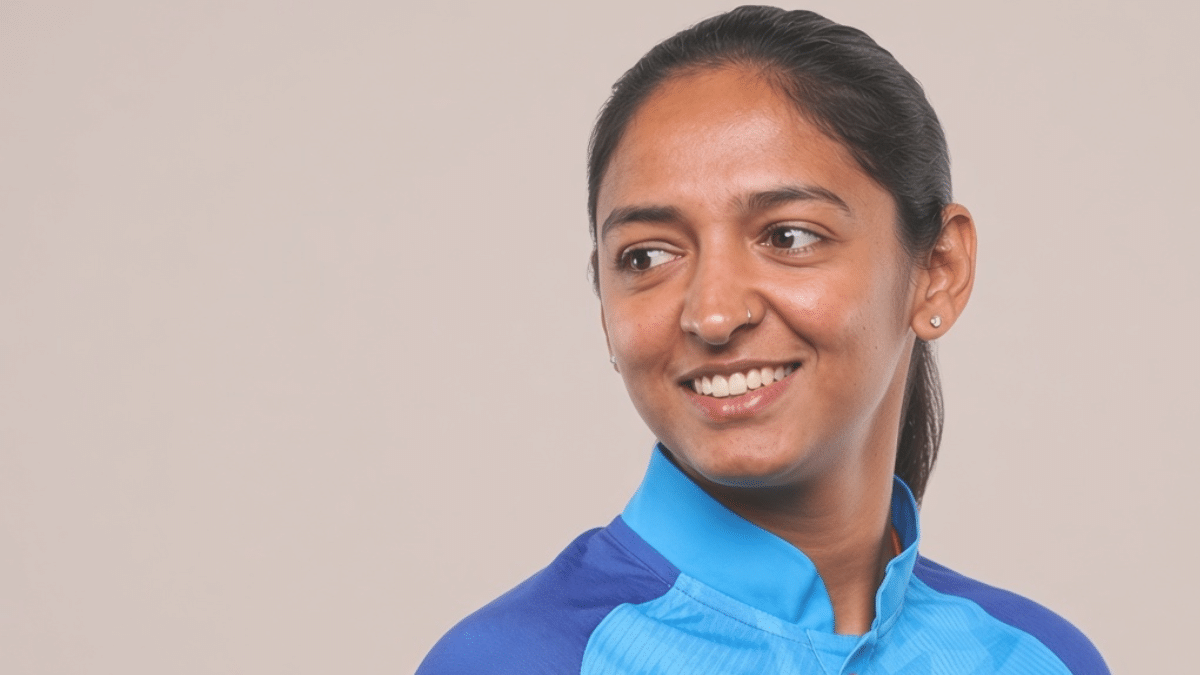
Was Harmanpreet Kaur pushed out? Partly. The BCCI decided India needed a new captain. Harmanpreet decided how she would leave.
The change was set in motion at a BCCI review meeting in Guwahati on 5 October. A day later, she announced she was stepping down as captain in Tests, ODIs and T20Is. She stays in the side as a batter.
The real story sits in an offer she turned down, and in why a World Cup-winning captain would refuse to keep that very format.
She made the announcement on Instagram.
“Today, I step down as captain of the Indian Women’s Cricket Team across all formats. This is not an easy decision.”
Harmanpreet Kaur, Instagram post, 6 October 2026
The BCCI’s official statement presented it as her own call. In her letter to the board, she wrote that it was the right time to hand over the captaincy. One line in her post hints that not every call along the way was easy to make.
“As a captain, I have had to make difficult decisions.”
Harmanpreet Kaur, Instagram post, 6 October 2026
View this post on Instagram
BCCI secretary Devajit Saikia chaired the Guwahati review. Harmanpreet, vice-captain Smriti Mandhana and head coach Amol Muzumdar were in the room.
Female Cricket reported that Harmanpreet and Mandhana were told the selectors wanted a change for the team’s future. The same report says the board waited until the Asian Games were over before raising it.
The selection panel, chaired by Amita Sharma, was reportedly divided on her future after the T20 World Cup. On the morning of her announcement, early reports from the meeting still suggested she was safe.
According to Cricbuzz, the board offered her a way to stay. She could keep the ODI captaincy, with Tests included in some versions of the report, and give up only the T20 job. She refused and walked away from all three formats.
Female Cricket’s account differs on one point. It reported that she first wanted to stay captain in every format, then accepted her T20 batting had dipped and wanted to keep Tests and ODIs.
Both reports agree on two things. The board wanted her out of the T20 captaincy. The decision to leave all three formats was hers.
Insider Read
On paper, a split captaincy looks like a fair compromise. Inside a dressing room, it gives the same players two bosses. India’s white-ball groups barely change: the Asian Games squad had just one change from the T20 World Cup squad.
Players always know which captain the board is backing for the future. Harmanpreet would have led the ODI side while her own deputy was being built up as the next leader of the same group. A captain who has lifted a World Cup reads that as a slow exit, and refusing it is the only way to leave on her own terms.
Why the BCCI Wanted a Change
India went out of the 2026 T20 World Cup in England at the group stage after losing to South Africa and Australia. It was their second straight T20 World Cup without a knockout place. After the Australia defeat at Lord’s on 29 June, Harmanpreet said the team needed to rethink how it played against strong sides.
Her T20I batting had dropped. Since the 2024 T20 World Cup, she had passed 50 only four times in 24 innings. Former India player Diana Edulji had been pushing for Smriti Mandhana to take over.
The BCCI still kept Harmanpreet for the Asian Games, and India won both the Asia Cup and Asian Games gold under her. On the same day she stepped down, the BCCI named Mandhana full-time white-ball captain. Her first series is against Zimbabwe, beginning with three T20Is in Raipur from 16 October.
Also Read: