
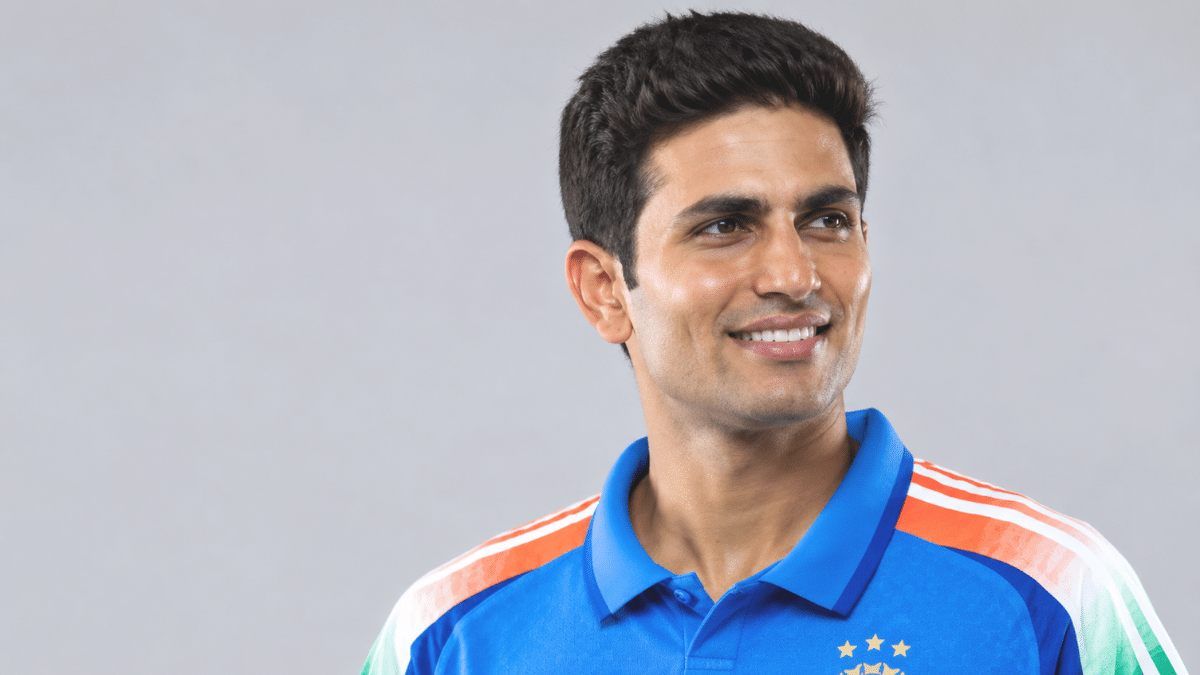
Shubman Gill made an unbeaten 223 off 133 balls as India chased 406 to beat West Indies by eight wickets in the second ODI in Guwahati on 30 September. He reached 200 off 117 balls, the fastest double hundred in ODI history.
India got home in 43.3 overs with 39 balls to spare and lead the three-match series 2-0. It was only the second successful 400-plus chase in ODIs, led by a captain who has set India a 2027 World Cup target.
West Indies had posted 405/7, their highest ODI total, with hundreds from John Campbell, Shai Hope and Amir Jangoo.
“At the half-time, 400 on the board, there was a bit of pressure. No matter the pitch or ground, chasing 400 is not easy.”
Shubman Gill, post-match presentation, 30 September 2026
Records were made, and the chase was history-defining. #ShubmanGill reflects on a performance for the ages 👑#INDvWI | 3rd ODI 👉 SAT, OCT 3, 1 PM pic.twitter.com/P3HCk5PkYs
— Star Sports (@StarSportsIndia) September 30, 2026
The scoreboard shows a record chase. What it hides is the moment around the 25th over when the pressure switched dressing rooms.
Gill did not chase 406. He chased a set of smaller numbers.
“I break the game into small parts. First, we had a target in the powerplay that if we got to 75-80 runs without losing wickets, it was good.”
Shubman Gill, post-match presentation, 30 September 2026
The next mark was 200-210 by the 25th over. India reached 230-240 without losing a wicket, and Gill said the pressure then sat with West Indies.
Rohit Sharma drove that start from the other end. He made 101 off 72 balls, his 35th ODI hundred, and passed 12,000 ODI runs in his 291st match. Only Sachin Tendulkar and Virat Kohli had done that for India before him. The pair added 255 for the first wicket off 158 balls.
📌 EMBED HERE: X — https://x.com/CricCrazyJohns/status/2105342882412650672 — Gill’s 90 percent control figure during his 223*
Insider Read
A target of 406 asks for 8.12 an over from ball one. At 230-240 after 25 overs with ten wickets in hand, India needed under seven an over. When you are fielding and that number appears, the captain stops hunting wickets and starts guarding the rope. Mid-off and mid-on drop back, and the batters take a free single almost every ball.
The bowlers feel it first. With 400 on the board you run in to attack, but once the boundaries keep coming you start bowling not to be hit. The length drifts, never where the plan said. A set batter then stops taking risks and only punishes the bad ball, which is what a 90 percent control figure looks like.
Every Record Gill’s 223 Broke
| Record | Detail |
|---|---|
| Fastest ODI double hundred | 117 balls, beating Ishan Kishan’s 126 in 2022 |
| Highest score in an ODI chase | 223*, passing Glenn Maxwell’s 201* in 2023 |
| Third-highest ODI score | Behind Rohit’s 264 and Martin Guptill’s 237* |
| Second 400-plus ODI chase | After South Africa’s 438/9 against Australia in 2006 |
| India’s highest ODI chase | Previous best came against Australia in 2013 |
| Most ODI Player of the Match awards since 2022 | 10, ahead of Virat Kohli and Travis Head on nine |
| Multiple ODI double hundreds | Only Rohit Sharma had done it before |
| Five hundreds in one ODI | A first in the format |
The innings came at a cost. Gill said every part of his body was cramping after a hot afternoon in the field and 43 overs at the crease. He has spoken before about India’s fitness and injuries. This time it was his own body under strain.
The series ends with the third ODI in Chandigarh on Saturday, 3 October.
Also Read:






2 Responses