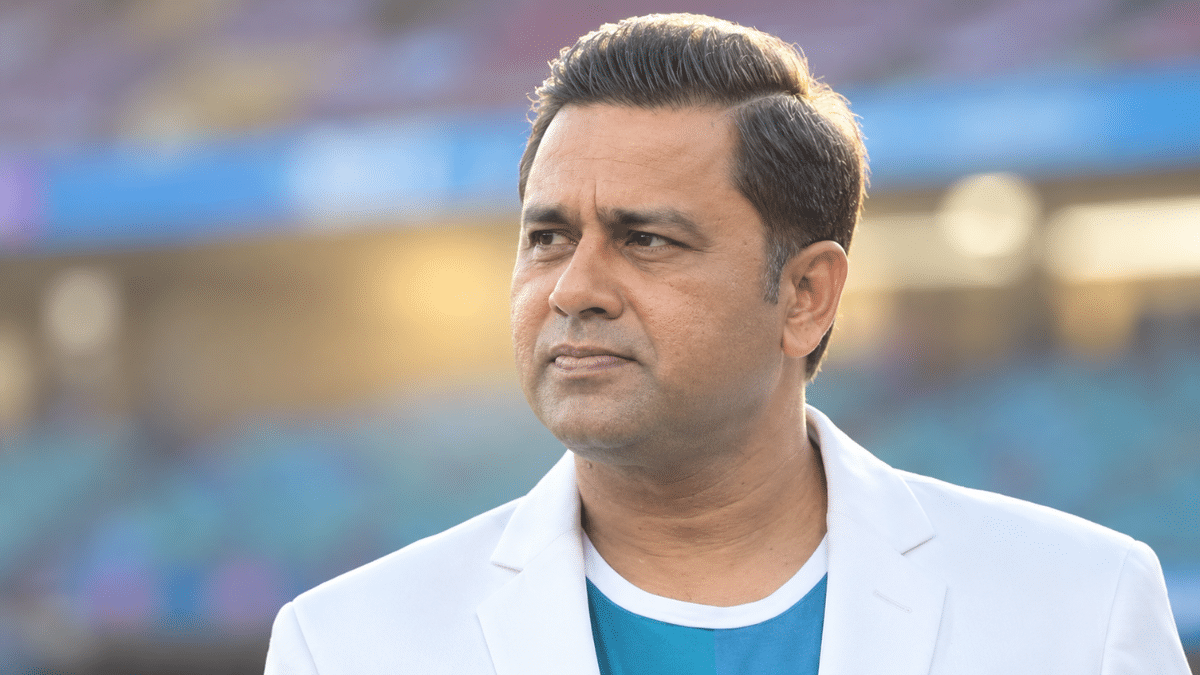
Aakash Chopra has hit back at cheating claims in the India vs Japan wide controversy, calling the overturned wide in the final over of the one-off T20I in Sano the correct call. India won the rain-cut, five-over match against Japan by two runs after a last-over wide was taken back following Indian protests.
Wisden writer Ben Gardner accused India of bullying the umpires into the change. Chopra answered the cheating talk on his YouTube channel.
“People are saying that India beat Japan by cheating. This is being said because a wide was overturned, and the decision was reversed because India put umpire under pressure. People are just creating chaos. There are a lot of people who want to abuse India. You cannot say that we won unfairly, because it was not unfair.”
Aakash Chopra, YouTube channel, September 2026
🚨People are just creating chaos, just want to abuse India – Aakash Chopra on wide ball controversy🤯
Aakash Chopra said :🗣️
“People are saying that India beat Japan by cheating. This is being said because a wide was overturned, and the decision was reversed because India put… pic.twitter.com/kdKOAac8te
— Akshat (@Cricketmythos) September 24, 2026
The debate has centred on the batter’s miss. The bowler’s end tells a different story, and it shows why the width was never Axar Patel’s fault.
Japan needed 8 off Axar Patel’s final over, chasing India’s 32/4. A dot and a single left them needing 7 off 4.
| Moment | What happened | Japan needed |
|---|---|---|
| 3rd ball | Alexander Shirai-Patmore misses a reverse hit, wide called | 6 off 4 |
| Next ball | Same shot, same miss, second wide called | 5 off 4 |
| Reversal | Second wide withdrawn after India protest | 6 off 3 |
| Last 3 balls | 3 runs scored | Japan finish 30/3 |
Shreyas Iyer and Axar disputed the second call. Square-leg umpire Chris Brown walked over to Chris Thurgate at the bowler’s end, and the wide was taken back. There was no DRS in the match.
India’s 32 is now the lowest total they have defended in T20 cricket.
Under ICC playing conditions, a reverse sweep is treated the same as a switch hit. Once a batter plays either shot, both sides of the wicket count as the off side for wide calls.
Timing does not matter either. Whether the batter changes position before or after the ball is released, he is judged to have changed it. The ball Shirai-Patmore missed went down what would have been his leg side if he had not changed his stance.
Law 2.12 also lets an umpire change a decision, as long as he does it promptly. That is what happened in Sano.
Chopra admitted his first reading of the rule was wrong. He said he checked the rules and listened to the umpires before defending the decision.
Insider Read
A spinner bowling the last over picks his line before the ball leaves his hand. Axar was bowling at a left-hander’s stance, to a spot the batter had to reach. When Shirai-Patmore turned for the reverse hit, he moved his own off stump. A ball aimed at the batter was now going down the other side of him. The batter’s movement made that width. Axar’s line did not.
That is why the benefit goes to the bowler. A batter who switches sides as the ball is bowled takes on the risk of that choice. Calling it a wide costs the bowler a run and an extra ball for a shot he could not see coming. With 7 needed off 4, that is the difference between defending a total and giving the game away.
Also Read